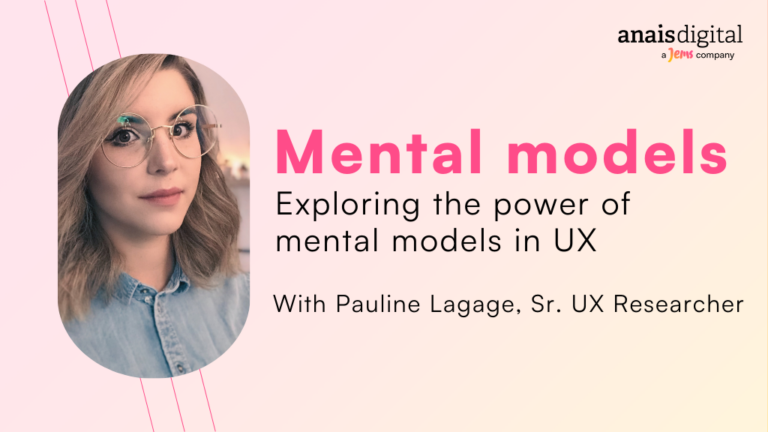
Interview with Pauline Lagage, Senior UX Researcher at JEMS Belgium
Senior UX Researcher Pauline Lagage, one of the few Belgian experts in this innovative field, shares with us the subtleties of mental models, how JEMS Belgium uses this powerful tool to help its clients, and how mental models can become a game-changer for UX projects.
Can you introduce yourself?
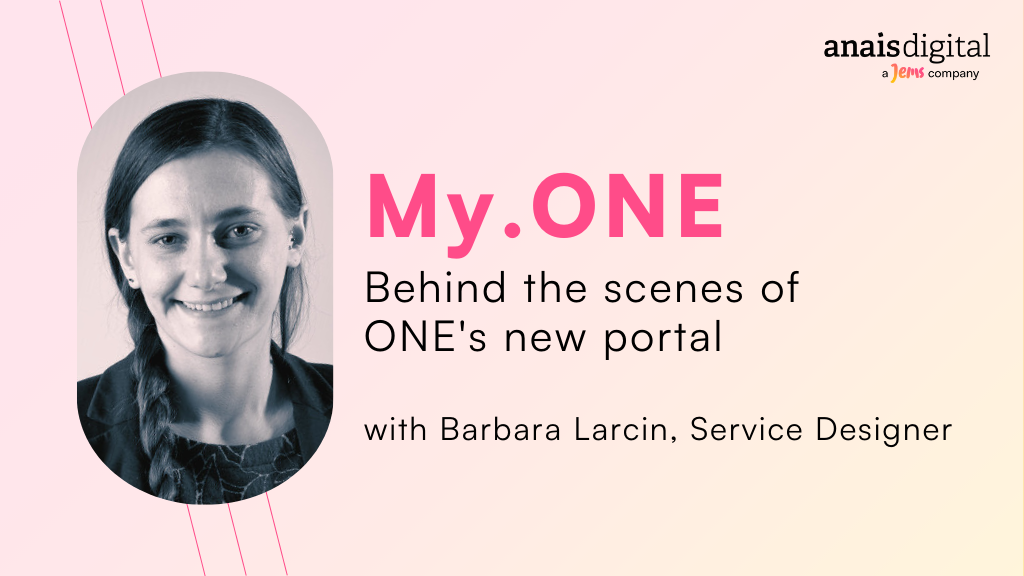
I’m Pauline Lagage, Senior UX Researcher at JEMS Belgium. My mission is to bridge the gap between users and organizations by ensuring that products and services are designed with a deep understanding of user needs.
Can you explain what mental models are?
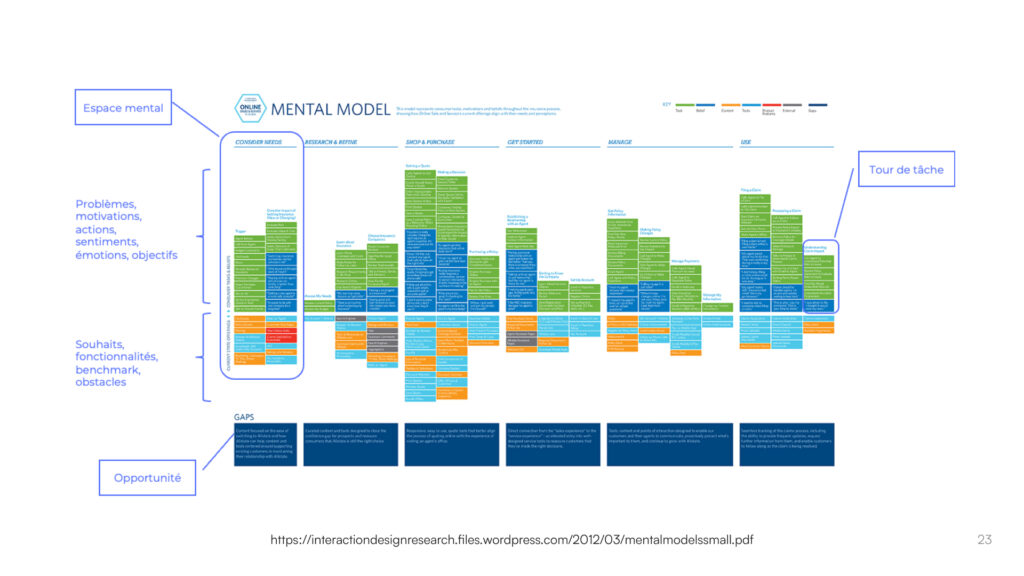
A mental model is a method for mapping how users perceive and interact with a product or service. It reveals:
- Challenges
- Needs
- Motivations
- Pain points
- Opportunities for improvement
This mapping is built from user insights and enriched with external references to provide a complete, empathy-driven understanding of the user experience.
Can you talk about the importance of mental models in UX design?
Mental models are a powerful, structured research method that offers a deep understanding of user behavior and expectations.
They allow us to visualize how users think and act, identify weak points in the current system, and uncover actionable opportunities. As a deliverable, mental models are essential in the discovery phase of the UX process. They guide ideation, inform product roadmaps, and ensure alignment with real user needs.
What tools and methodologies do you use to create and identify mental models?
The process begins with in-depth user interviews, using open-ended questions that gradually become more specific. From these interviews, we take detailed, standardized notes using a rigorous method. The data is then grouped and reorganized in several layers to build the final mapping.
The result is a comprehensive mental model, accompanied by a summary and an analysis of strengths, weaknesses, and potential opportunities. This process is based on well-established academic and professional research.
Can you tell us about a specific case of using a mental model?
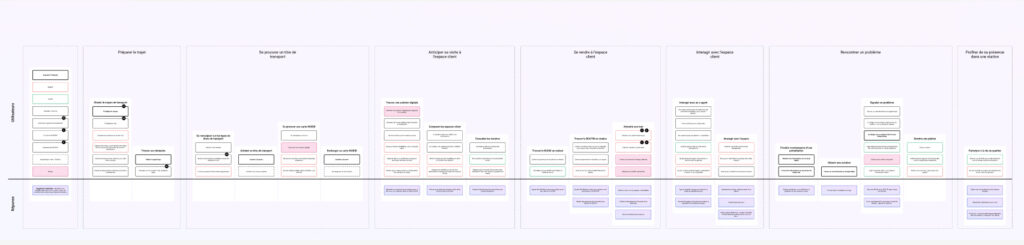
At STIB, we built a mental model at the very start of their website redesign. It highlighted key moments in a passenger’s journey when they struggled to find essential information. This model directly informed decisions about the site’s architecture, content strategy, and mobile design. It also helped refine the organization’s personas, which were later used to optimize user flows across all STIB services—not just the digital ones.
What are the challenges of mental models?
The biggest challenge is the complexity of the output. Mental models are detailed and rich in insights, which can make them overwhelming at first. To make them more digestible, we developed executive summaries that highlight key findings. These concise documents are easier to share across teams and help ensure the insights are actionable.
Is the mental model a new concept in UX? How do you see it evolving?
Mental models are not new, but their adoption has grown significantly in recent years. In Belgium, JEMS is one of the few agencies applying a structured methodology inspired by Indi Young’s work. Her approach is incredibly powerful, and I believe mental models will continue to gain traction as UX teams look for deeper, more meaningful ways to connect with users.